


Chatbot vs AI Assistant: How SMBs Can Choose the Right Solution
A practical comparison of chatbots and AI Assistants across context, data, integration, cost, risk, and implementation for SMBs.

A customer messages a business: “I need a service package for a team of 20, it must launch next month, and it has to integrate with our existing system. What would you recommend?”
The chatbot returns three buttons: Products, Pricing, and Contact Sales. The customer selects Pricing but still does not know which option fits. After several turns, the bot asks for a phone number and transfers the conversation to an employee. The employee then asks for almost all the same information again.
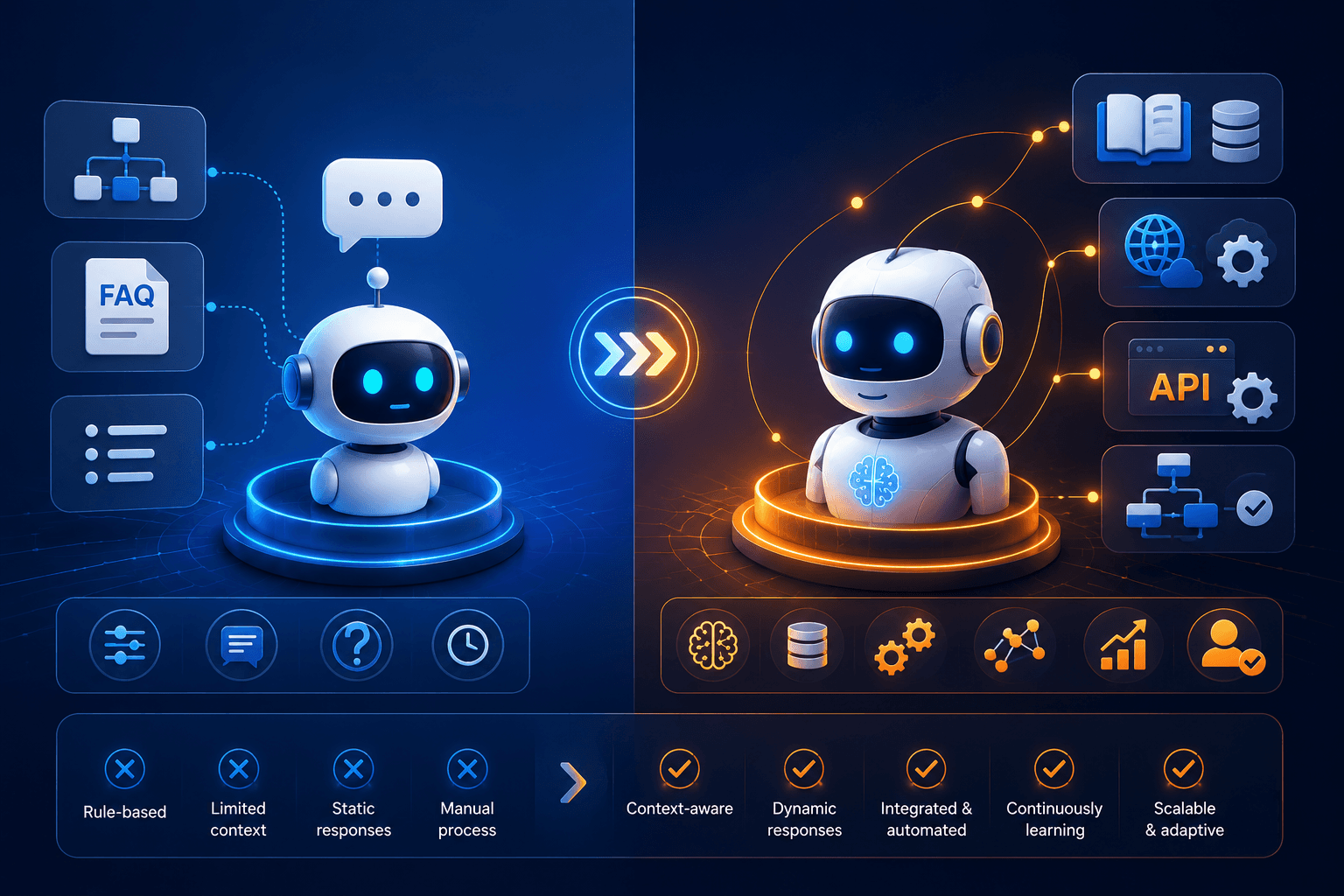
This is not necessarily a chatbot failure. The system is doing what it was designed to do: guide a user through a predefined flow. The problem is that the business expects it to understand goals, retain constraints, retrieve data, and recommend a next step like an AI Assistant.
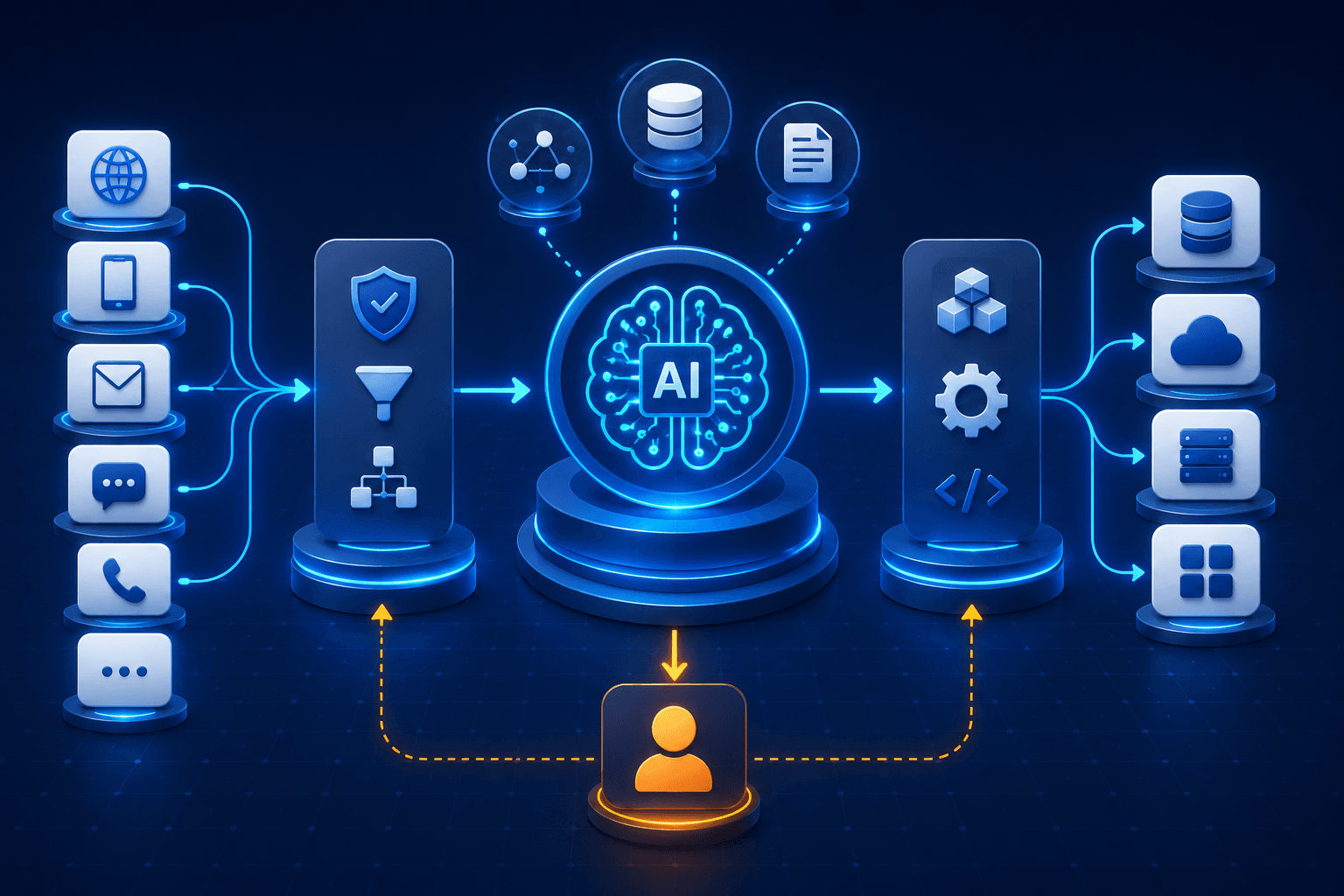
Chatbots and AI Assistants may both appear as a chat window, but they represent different solution levels. One is optimized for recurring questions and predictable processes. The other combines a language model, business data, RAG, APIs, workflows, and controls to support real work.
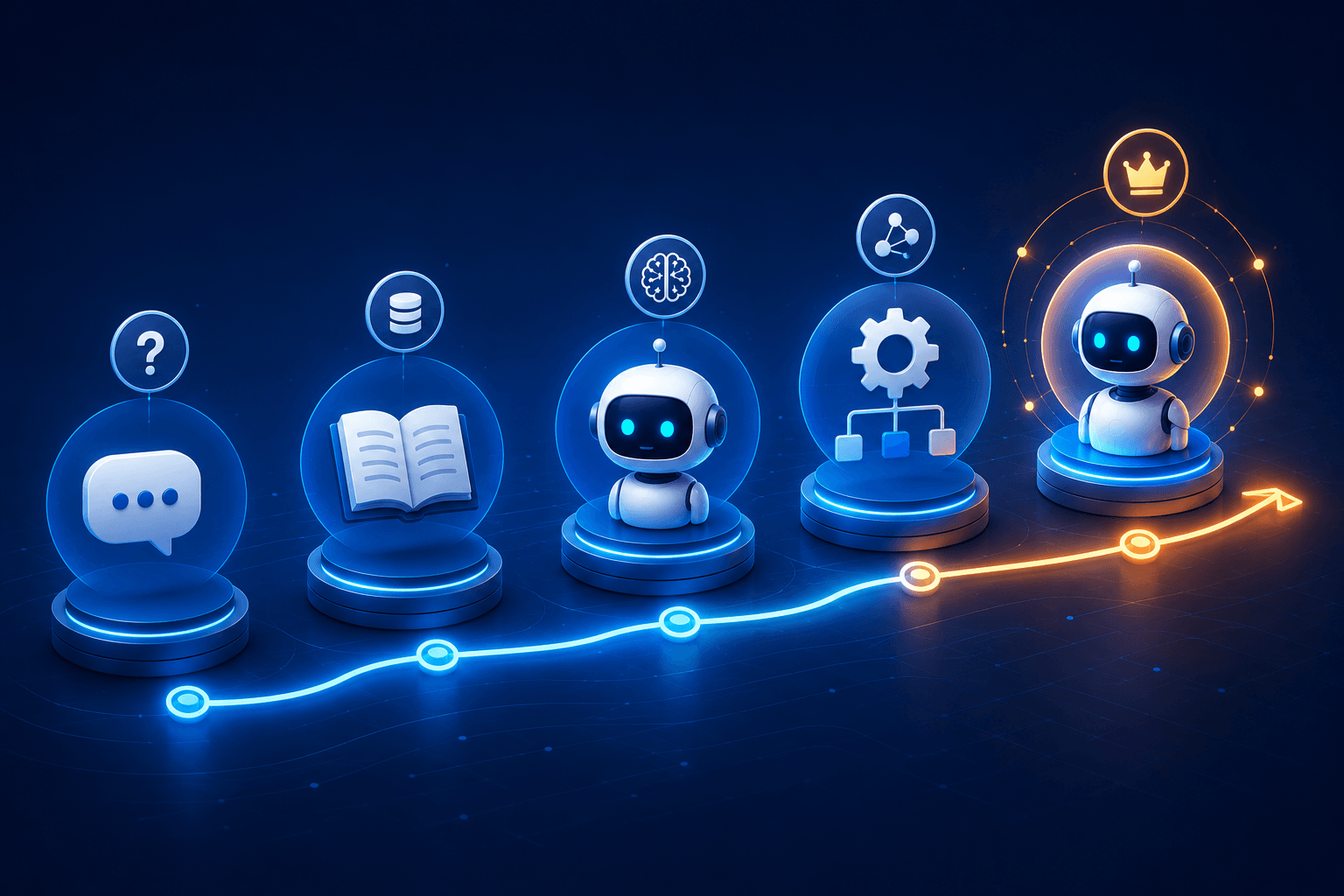
For small and mid-sized businesses, choosing correctly does not mean selecting the solution with the most AI. It means identifying which problems need deterministic flows, which require context, which data can be trusted, and which actions still require human approval. This guide provides a practical framework for choosing the right starting point and expanding in controlled stages.
Context
When a chatbot is the right choice
Not every conversational use case requires a complex AI system.