AI answers without sources: how do you control citations?
Design verifiable citations for AI and RAG using real source provenance, claim-to-evidence mapping, verification, abstention thresholds, and production monitoring.

The short answer
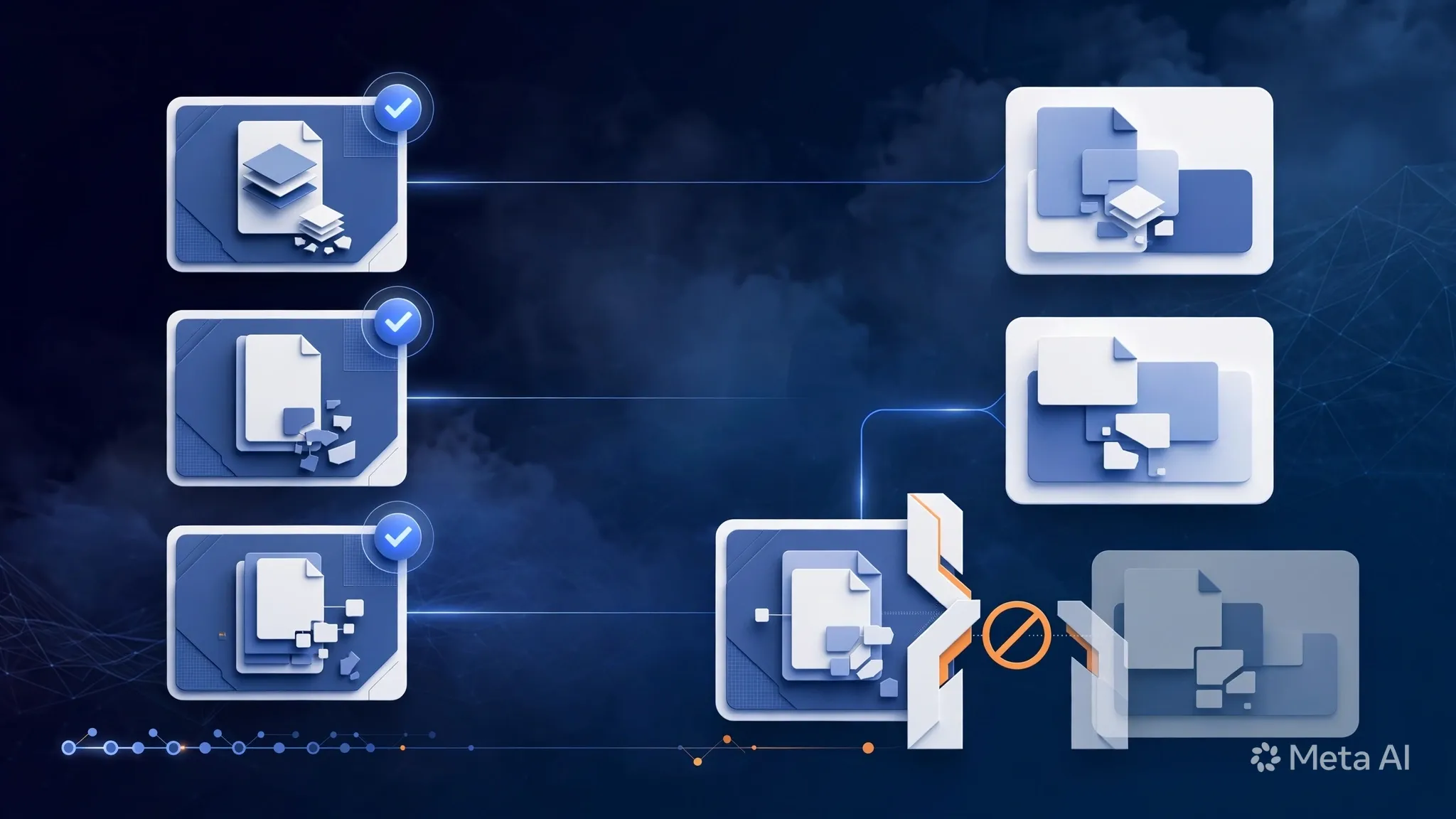
If AI must answer from enterprise data, do not let the model invent citations or URLs. Citations should originate from metadata attached to documents the system actually retrieved, bind important claims to document_id/chunk_id, and then pass through a verifier that checks whether the evidence genuinely supports each claim. When evidence is insufficient, the system should remove the claim, retrieve again, or explicitly say that it lacks enough information.
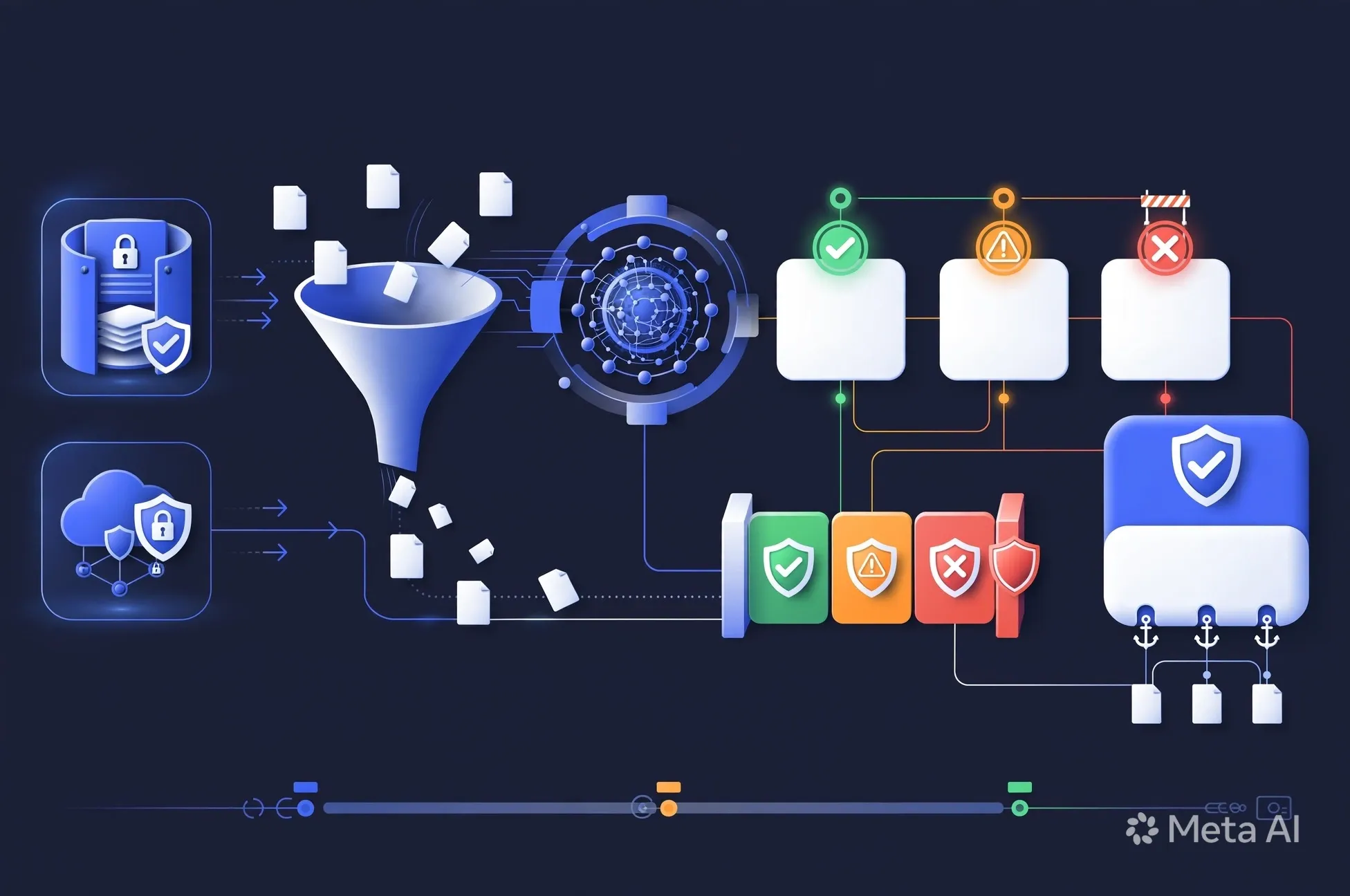
A production pipeline should look like: Question → Retrieve → Rerank → Generate claims from evidence → Map claim ↔ source chunk → Verify → Answer or abstain → Log & evaluate. NIST recommends reviewing sources and citations during both pre-deployment evaluation and ongoing monitoring. A prompt telling the model to “remember the sources” is therefore a presentation instruction, not a citation control mechanism.
Problem
An answer can have citations and still be untrustworthy
Citation quality is about the relationship between a claim and its evidence, not the number of links after a paragraph.
A chatbot can look convincing when every paragraph ends with [1], [2], or a URL. Yet there are at least four distinct failure modes: , , , and .