A Customer Starts on Facebook and Continues on Zalo: How Do You Preserve Context?
Design omnichannel customer context across Facebook, Zalo, and CRM without incorrect identity merges, data exposure, or forcing customers to repeat themselves.

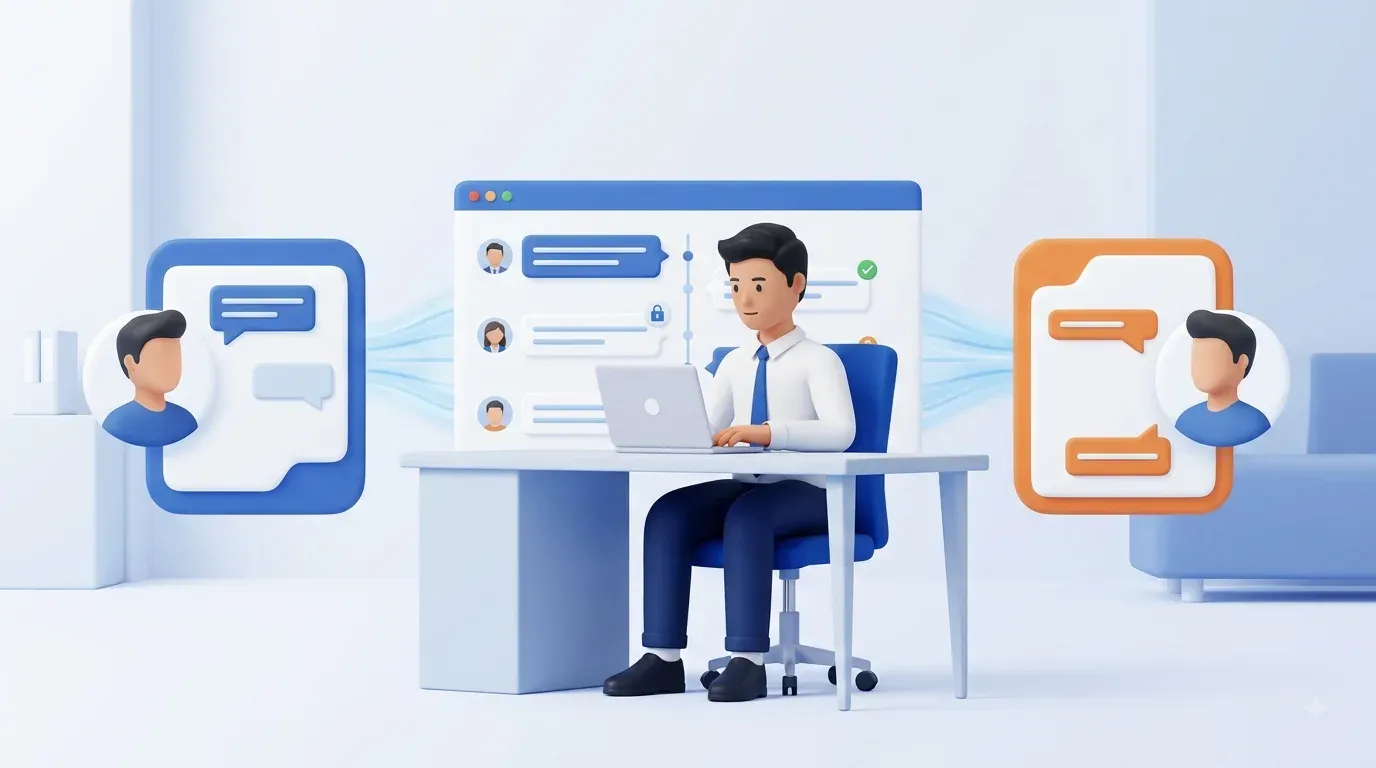
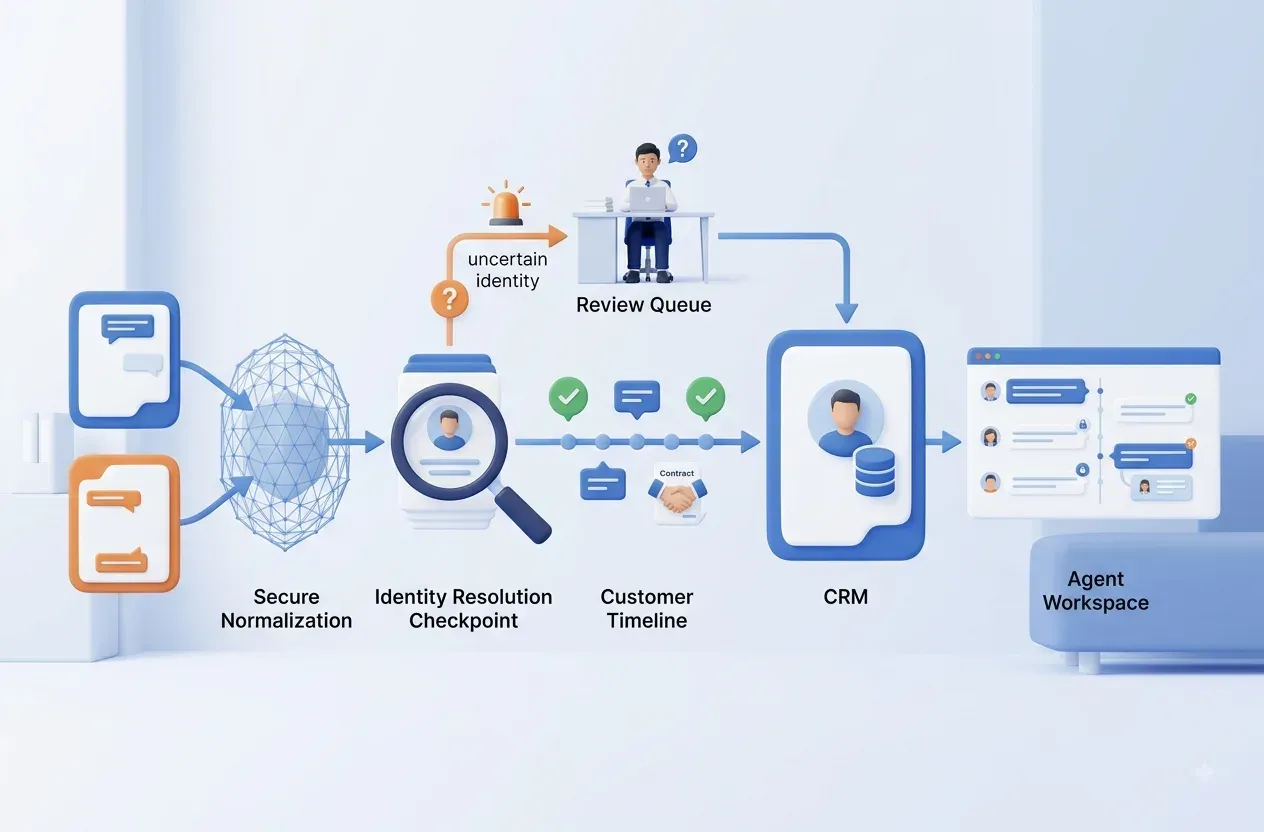
To let a customer move from Facebook to Zalo without repeating the story, the business needs a shared customer timeline in its CRM or service platform. Each channel keeps its own identifier; the system links those identifiers to one customer profile only when evidence is strong enough or the customer confirms the relationship. Staff see the context required for their role and service purpose, not an unrestricted history.
The solution is not to copy every message into one table. It requires event normalization, identity mapping, consent records, duplicate protection, access control, and an audit trail of who viewed or changed an identity link. When confidence is low, ask the customer or route the case for authorized review instead of merging automatically.
Experience
Why must customers repeat information after switching channels?
Each channel knows its own conversation but does not inherently know that two accounts belong to one person.
A person may use different display names, differently formatted phone numbers, or an account managed by a colleague. Facebook, Zalo, and the CRM generate channel-specific identifiers; none is automatically the enterprise customer ID. Separate inboxes fragment the history. Conversely, merging on an unverified name or phone number can combine two different customers—a more serious failure than missing context.