


After-Hours AI Voice Agent: How Much Should You Automate?
Define scope, voice architecture, tool permissions, human handoff, privacy, and QA for an after-hours AI Voice Agent.

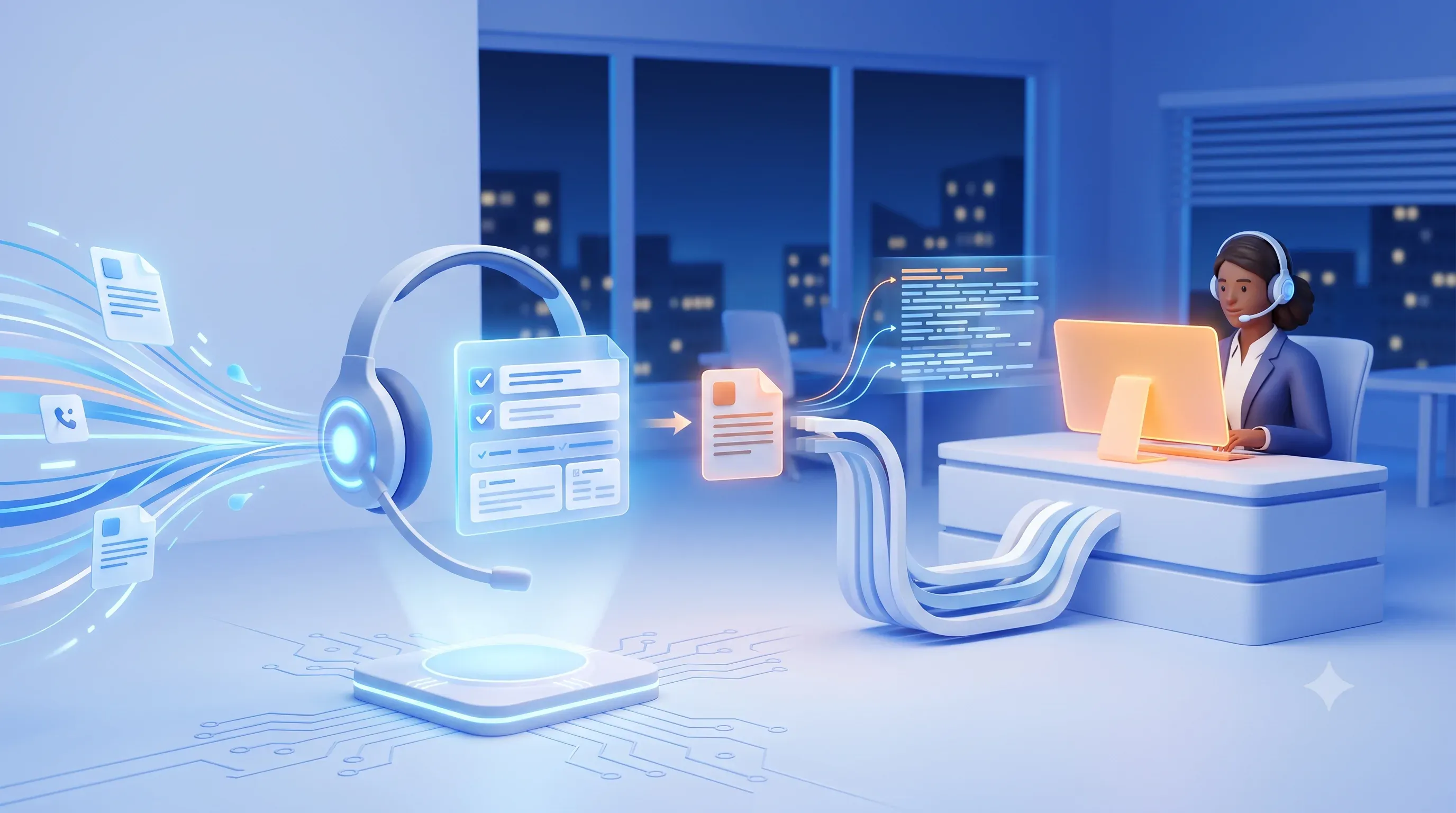
An after-hours AI Voice Agent should start with a narrow scope: identify itself as automated, capture intent, answer approved information, create a callback, or book an available slot. It should not independently set custom prices, issue refunds, modify contracts, disclose personal data, or resolve disputes.
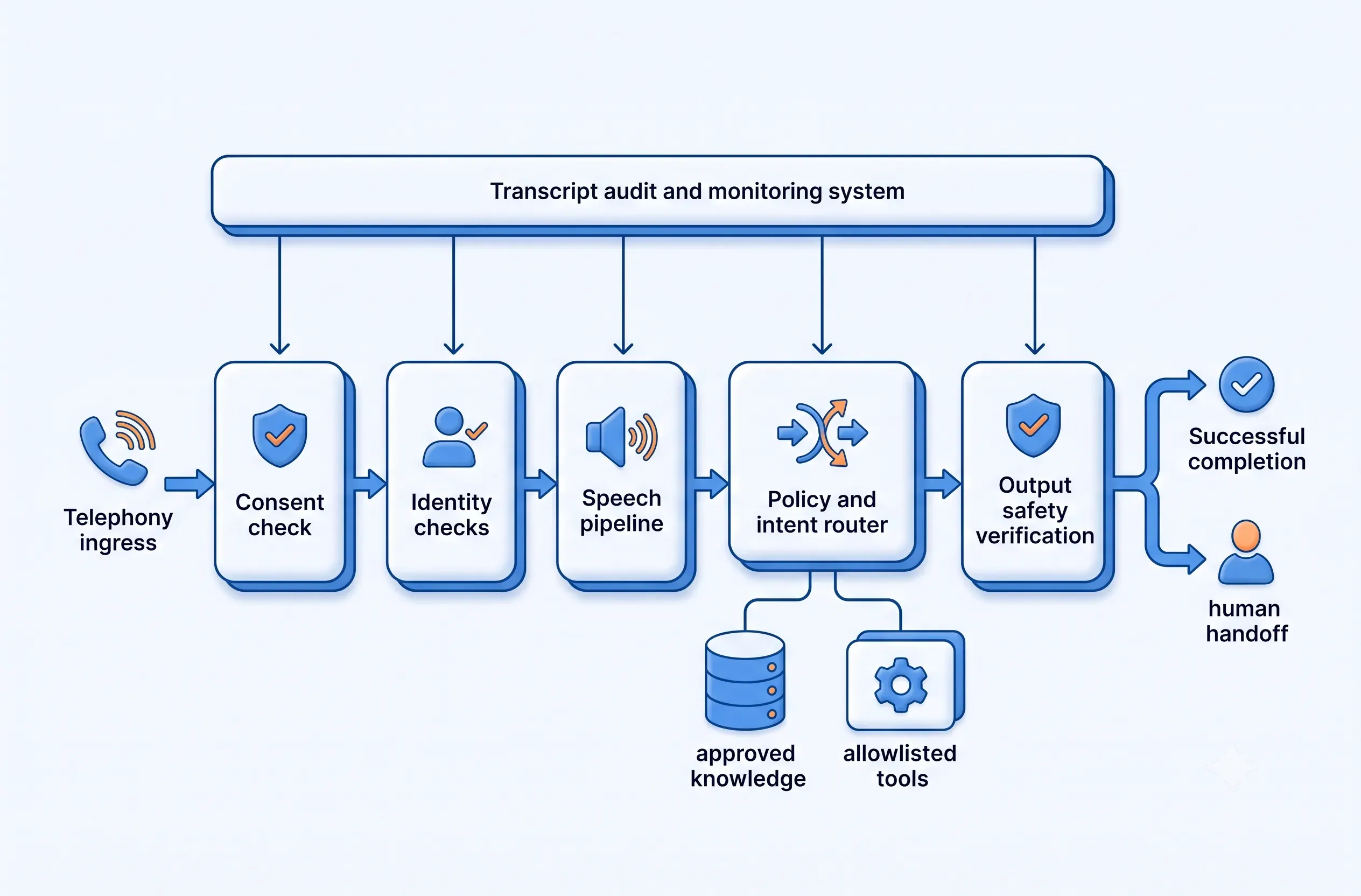
Unlike a missed-call workflow that simply creates a callback, a Voice Agent maintains a real-time conversation and may call tools. Runtime guardrails are therefore essential: risk-based identity verification, tool allowlists, input and output policy, duration limits, human handoff, and audit. Natural speech is not evidence that the system is safe or operationally correct.
Scope
Which use cases are suitable after hours?
Choose work with clear data, reversible actions, and easy escalation.
Suitable intents include business hours, request status using a reference number, initial intake, intent classification, ticket creation, scheduling, and callback requests. High-risk intents include medical or legal advice, custom quotation, payment, emotionally charged complaints, identity changes, and exception-heavy cases.
Twilio Programmable Voice lets applications receive and place calls and connect conversational flows such as appointment booking; see Programmable Voice. Telephony is the transport layer. Business policy determines what the agent may say, which data it may access, and which actions it may perform.