


When should a large n8n workflow become sub-workflows?
Learn when an n8n workflow should be split into sub-workflows, and how to design contracts, retries, idempotency, and observability without adding unnecessary complexity.

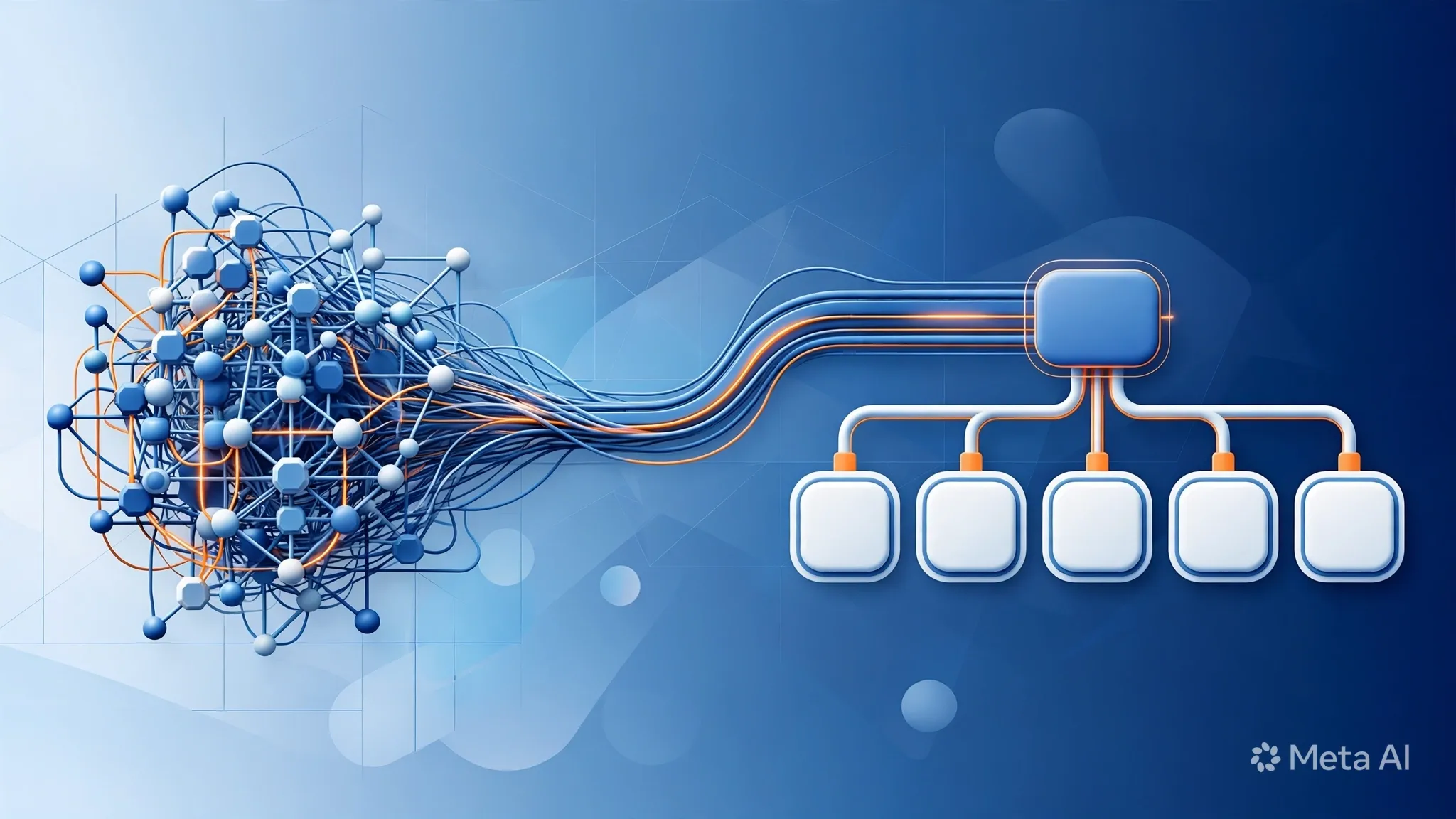
Yes — split a workflow when part of it has become an independent business or technical capability with a clear input/output contract, meaningful reuse, independent testing needs, or its own failure and retry boundary. Do not wait for hundreds of nodes, but do not use node count as a hard rule either. A 40-node workflow can remain coherent if it does one job; a 15-node workflow mixing three unrelated responsibilities may already deserve a redesign.
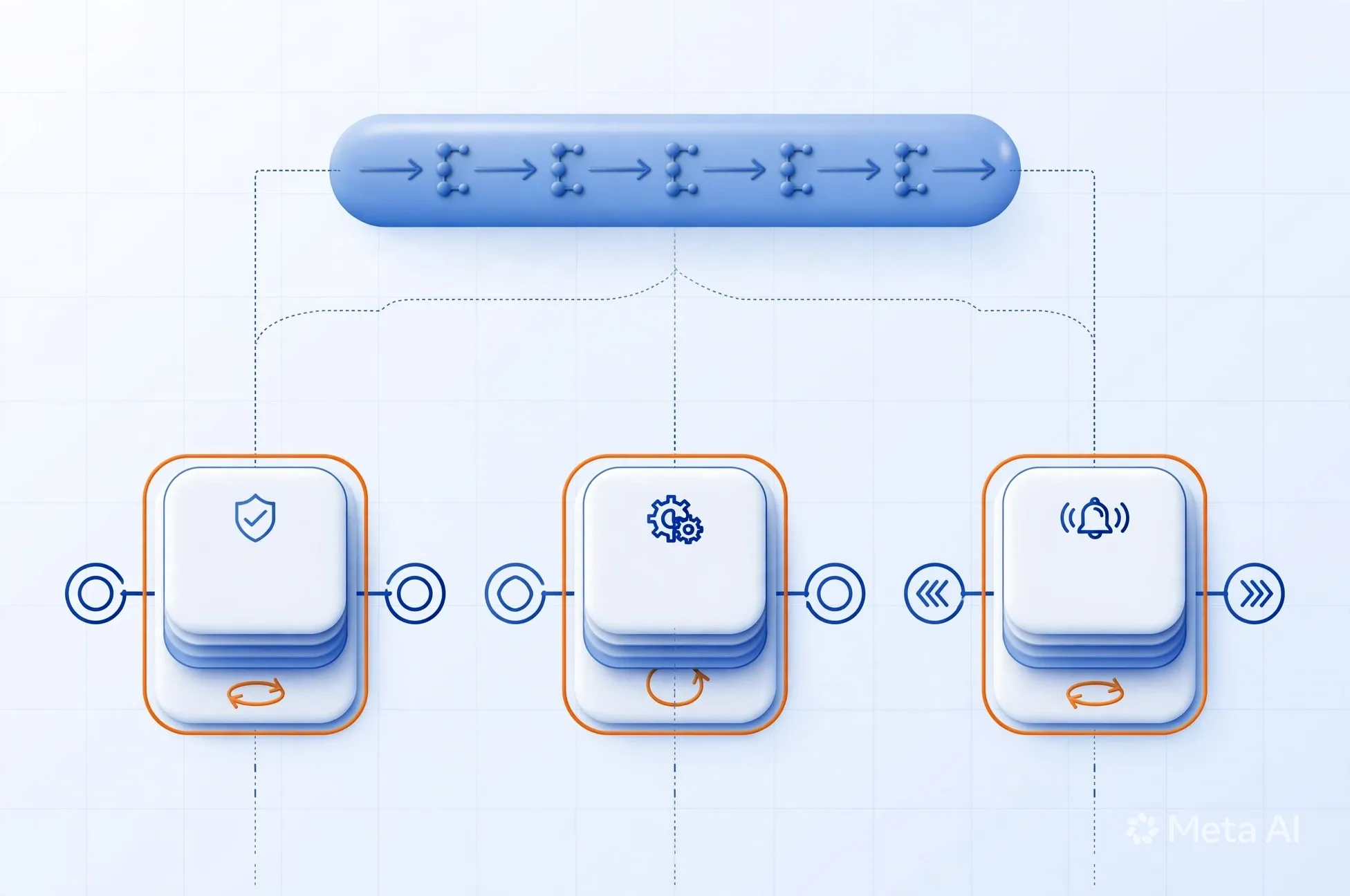
A practical pattern is to keep orchestration in the parent workflow and move stable capabilities such as data normalization, ticket creation, notifications, or CRM synchronization into sub-workflows. n8n provides Execute Sub-workflow and Execute Sub-workflow Trigger; a sub-workflow can define inputs and return the last node's output to its caller. The goal is not smaller canvases by themselves. The goal is a boundary that makes change, failure, and ownership easier to reason about.
Signals
A large workflow is not automatically a problem; missing boundaries are
Look at coupling, testability, and failure behavior before counting nodes.
A workflow becomes operationally difficult when changing one branch forces you to retest almost the entire canvas; the same logic is copied into several workflows; retrying one failed step risks replaying successful side effects; or an operator has to traverse many branches to understand a failure. Those are cohesion and failure-boundary problems, not merely UI problems.