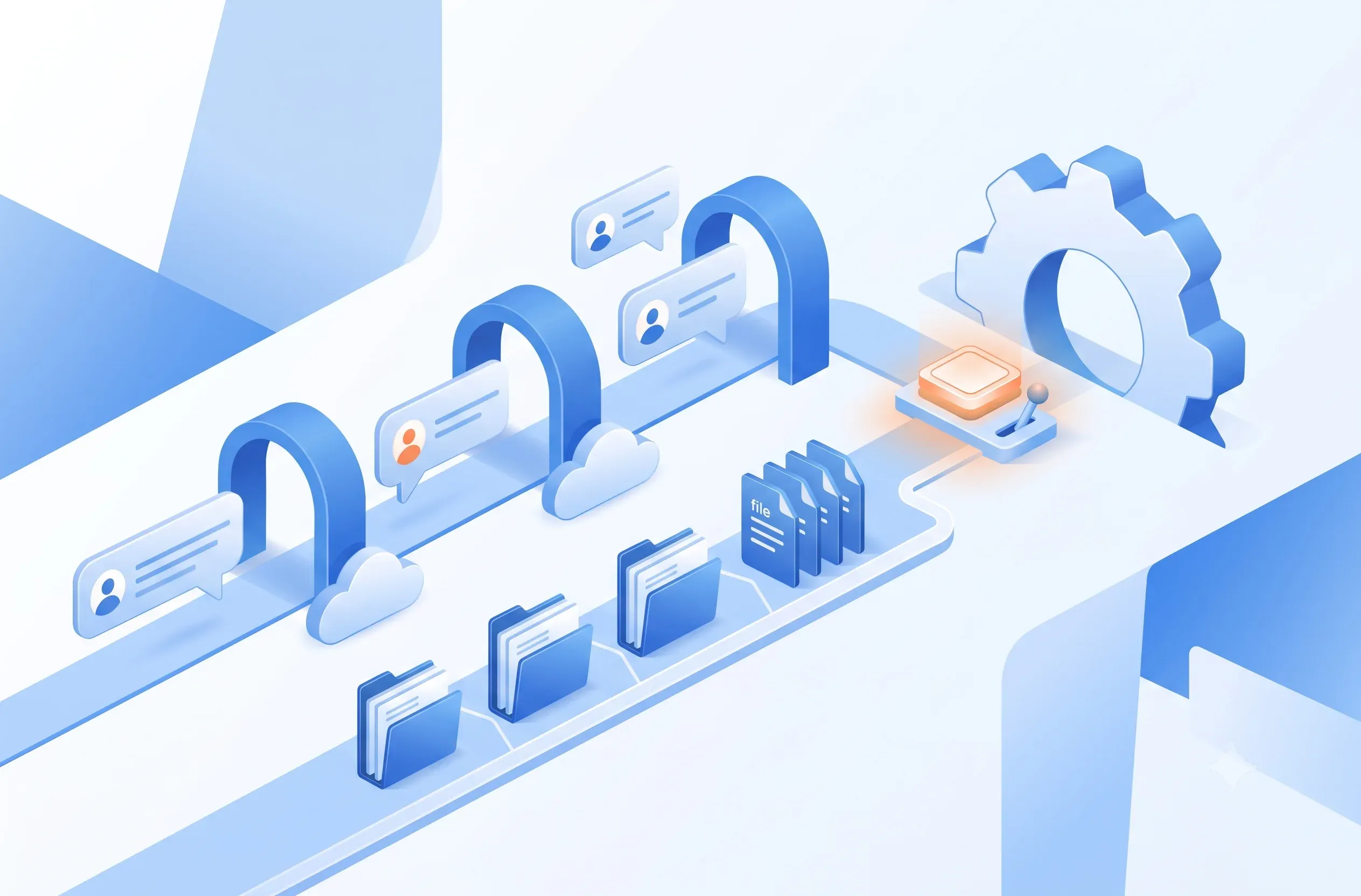



Chatbot vs AI Assistant: Choose the Job Your Small Business Needs Done
Compare chatbots and AI assistants by users, tasks and permissions, then define a scope you can test before choosing a solution.

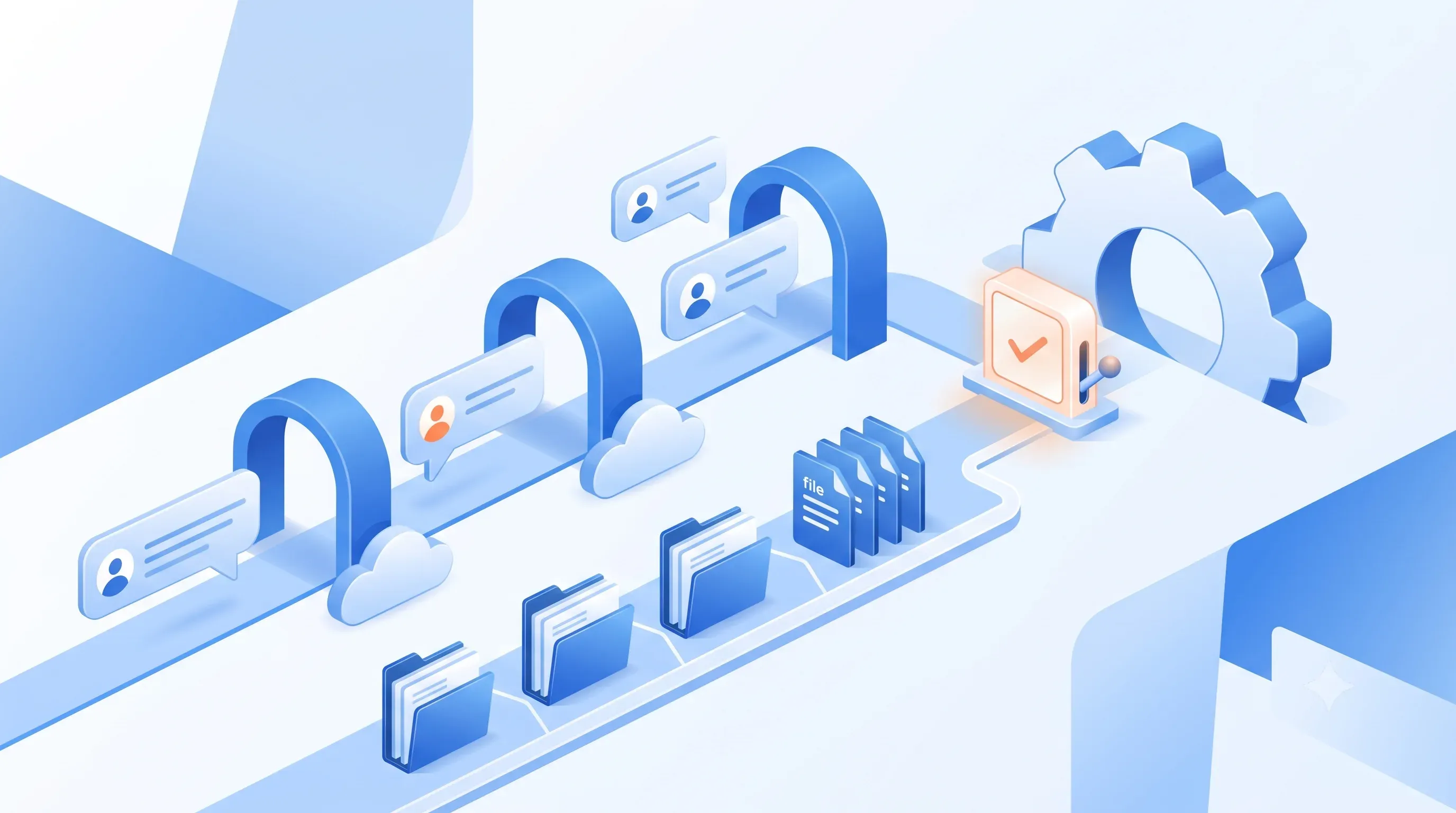
Choose by the job to be done. A chatbot suits customer conversations on a defined channel. An AI assistant may support a broader task, such as finding documents or drafting a reply for an employee. The categories overlap: neither label proves that a system can access private data, integrate with software or take action.
For product questions and sales enquiries, start with a clearly scoped customer chatbot. For staff working with internal documents, assess an assistant through access permissions and approval requirements. This article helps you select the job and its boundaries; it is not a build-versus-buy comparison.
Practical guidance
Compare users, outputs and permission to act
Adapt to the business scope and operating capacity.
Ask three questions before watching a demo
Who uses it? External customers need information approved for public use. Employees may need documents restricted to their department. Combining both groups in an unrestricted knowledge collection can expose internal information.
What should it produce? An answer, a draft and a database update represent different levels of authority. A product chatbot does not automatically have permission to modify an order. An email drafting assistant does not automatically have permission to send it.