FlowNexa perspectives on applying AI with the right scope, controlling cost, and rolling solutions into operations step by step.
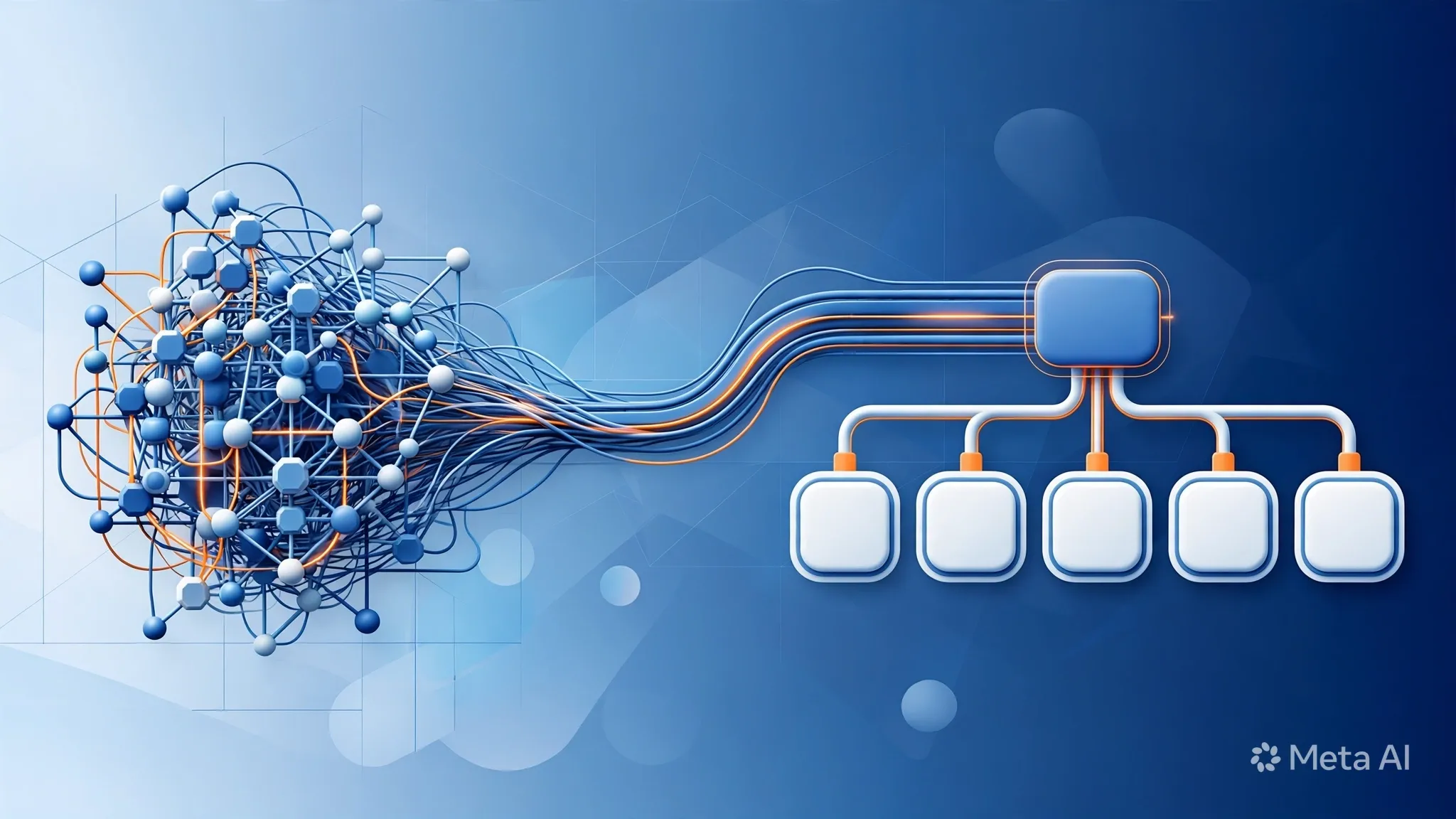
There is no universal optimal tool count for an AI agent. Learn how to control candidate sets, remove overlap, and evaluate selection accuracy before production.
A practical production guardrail framework for autonomous AI agents covering scope, policy, authorization, idempotency, budgets, observability, kill switches, and progressive rollout.
Design a secure pipeline for AI to analyze PDF, Word, and image email attachments without executing malware, obeying prompt injection, or autonomously causing side effects.
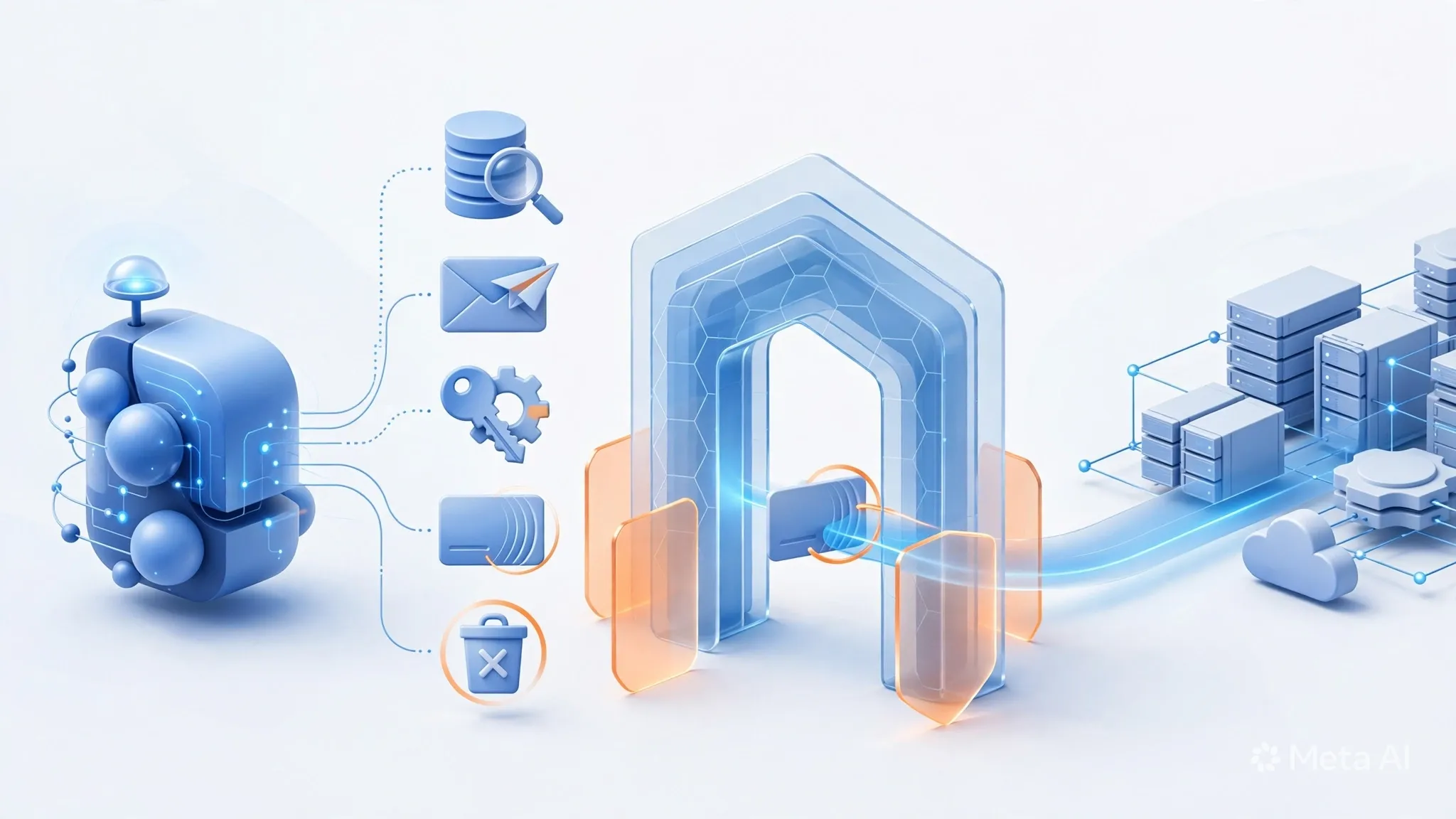
A practical design for AI agent permissions using least privilege, contextual authorization, risk tiers, approvals, idempotency, and fail-closed enforcement.
Design confidence-aware routing by intent and risk, with clarification, review, fail-closed behavior, calibration, and monitoring to contain customer-request classification errors.
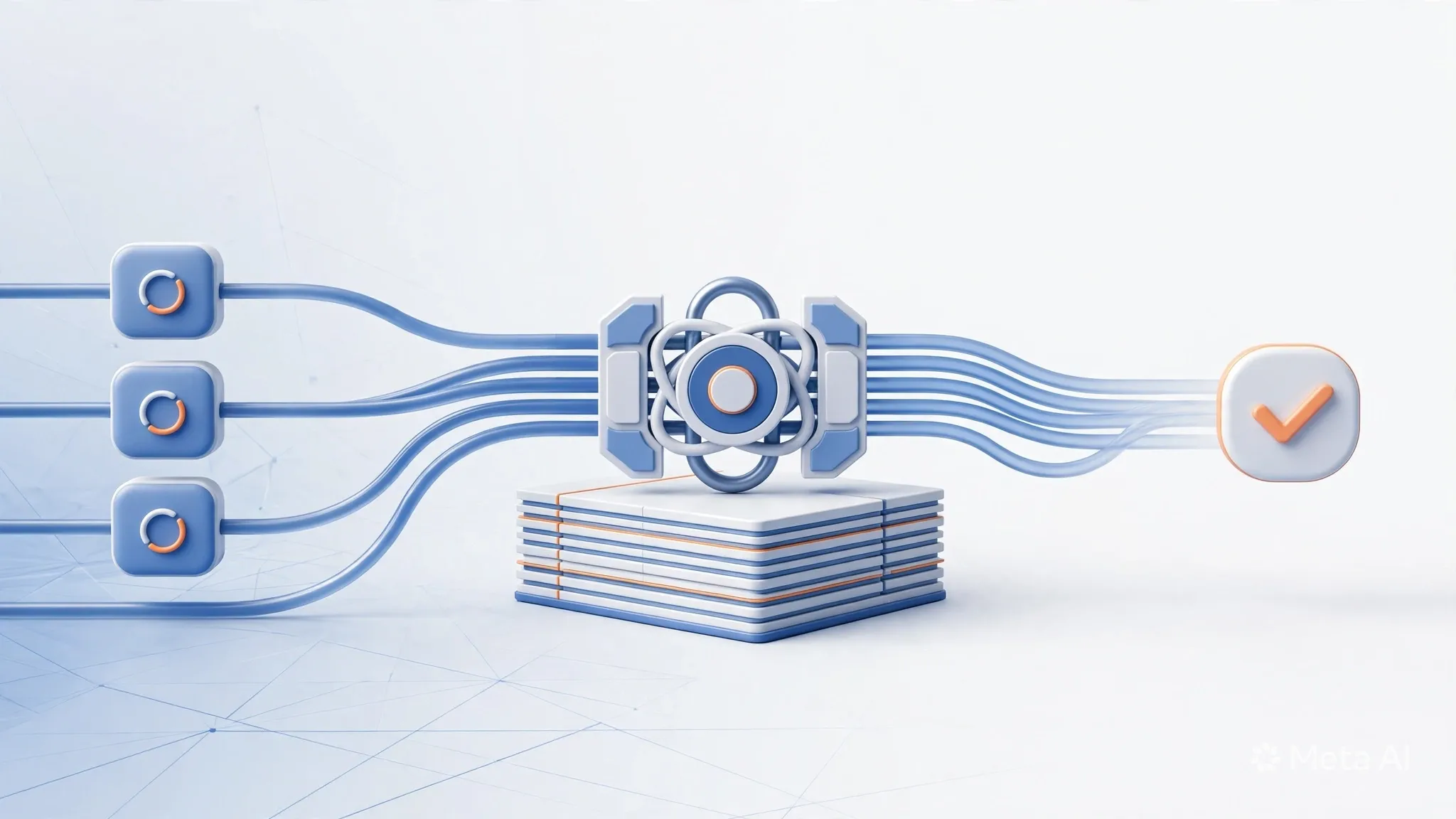
Design an idempotent workflow so repeated webhook deliveries produce one business effect, even under concurrent processing and retries.
How to choose loops, batches, or queues when n8n processes thousands of records, with production controls for retries, idempotency, and load.
A practical runbook for diagnosing a slow n8n workflow using queue wait, node duration, API latency, workload size, database behavior, CPU, and memory.
Learn when an n8n workflow should be split into sub-workflows, and how to design contracts, retries, idempotency, and observability without adding unnecessary complexity.