FlowNexa perspectives on applying AI with the right scope, controlling cost, and rolling solutions into operations step by step.
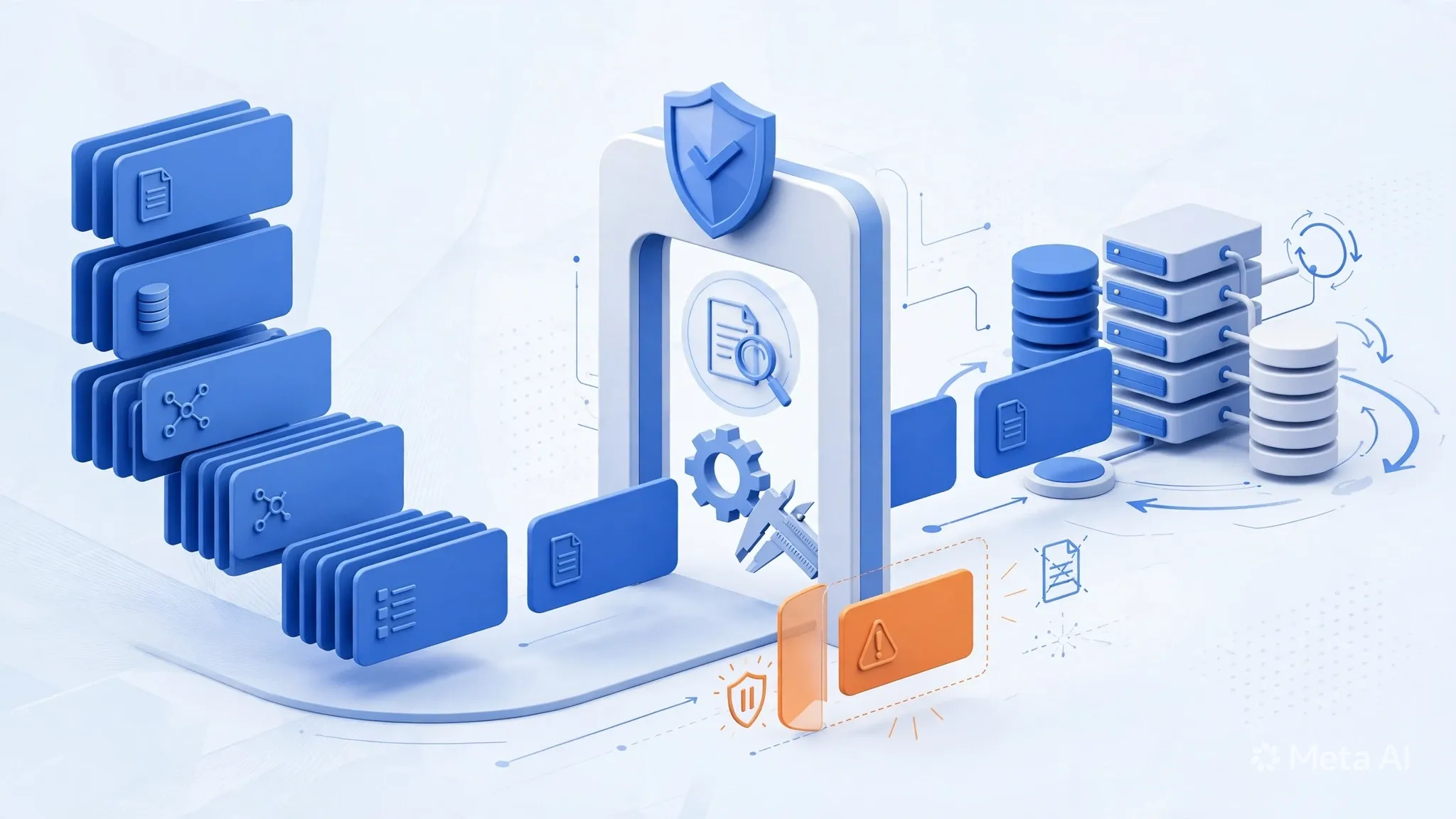
Schema-valid JSON does not prove AI-extracted values are correct. Learn how to add business rules, source verification, provenance, and quality gates before automation acts.
A higher Top-K can improve retrieval recall but also add noise to the context. Learn how to tune Top-K with reranking, thresholds, and RAG evaluation.
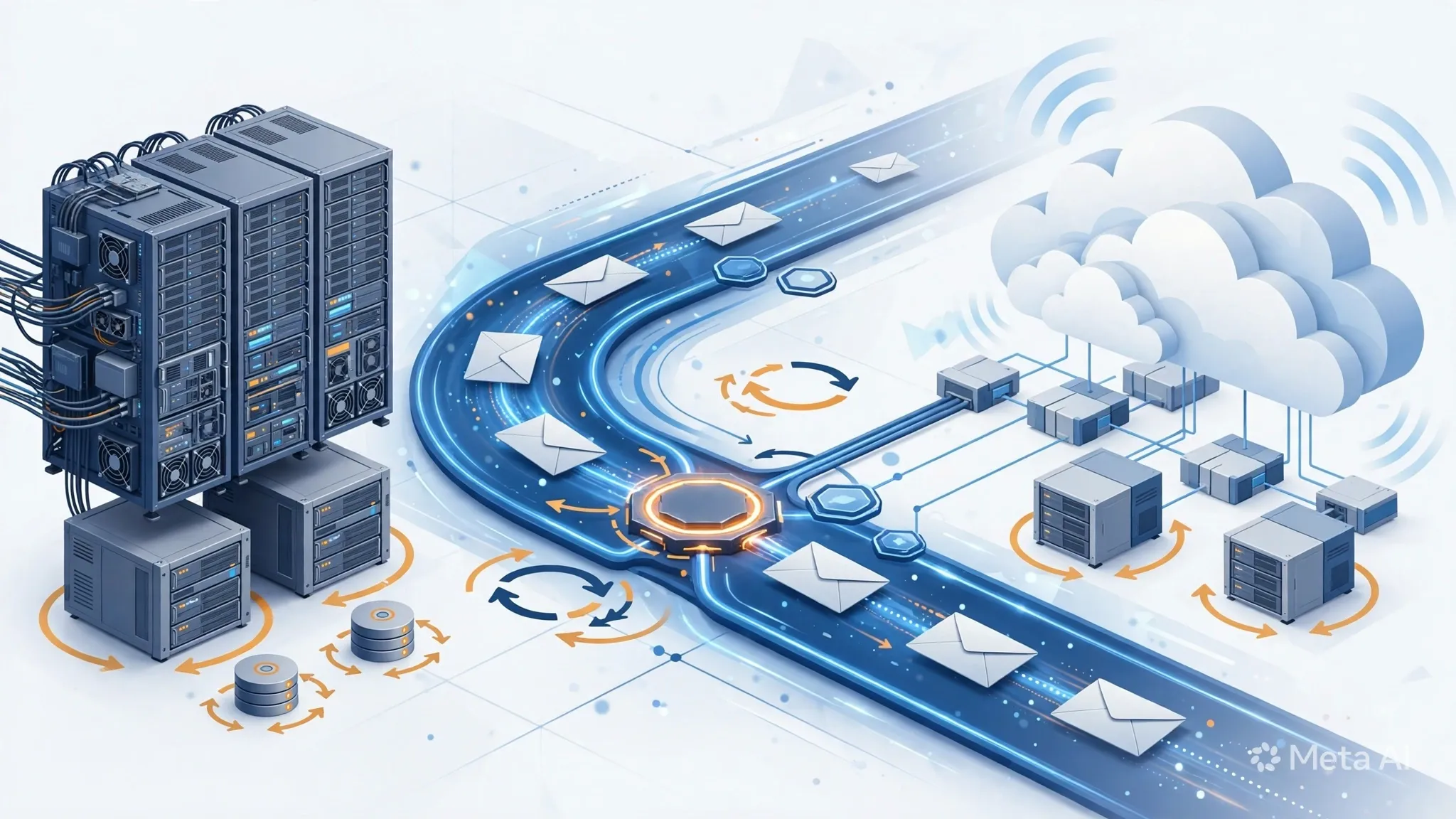
A safer cPanel-to-Microsoft 365 migration runbook covering inventory, pilot, IMAP sync, verification, MX cutover, incremental sync, reconciliation, and rollback.
Design verifiable citations for AI and RAG using real source provenance, claim-to-evidence mapping, verification, abstention thresholds, and production monitoring.
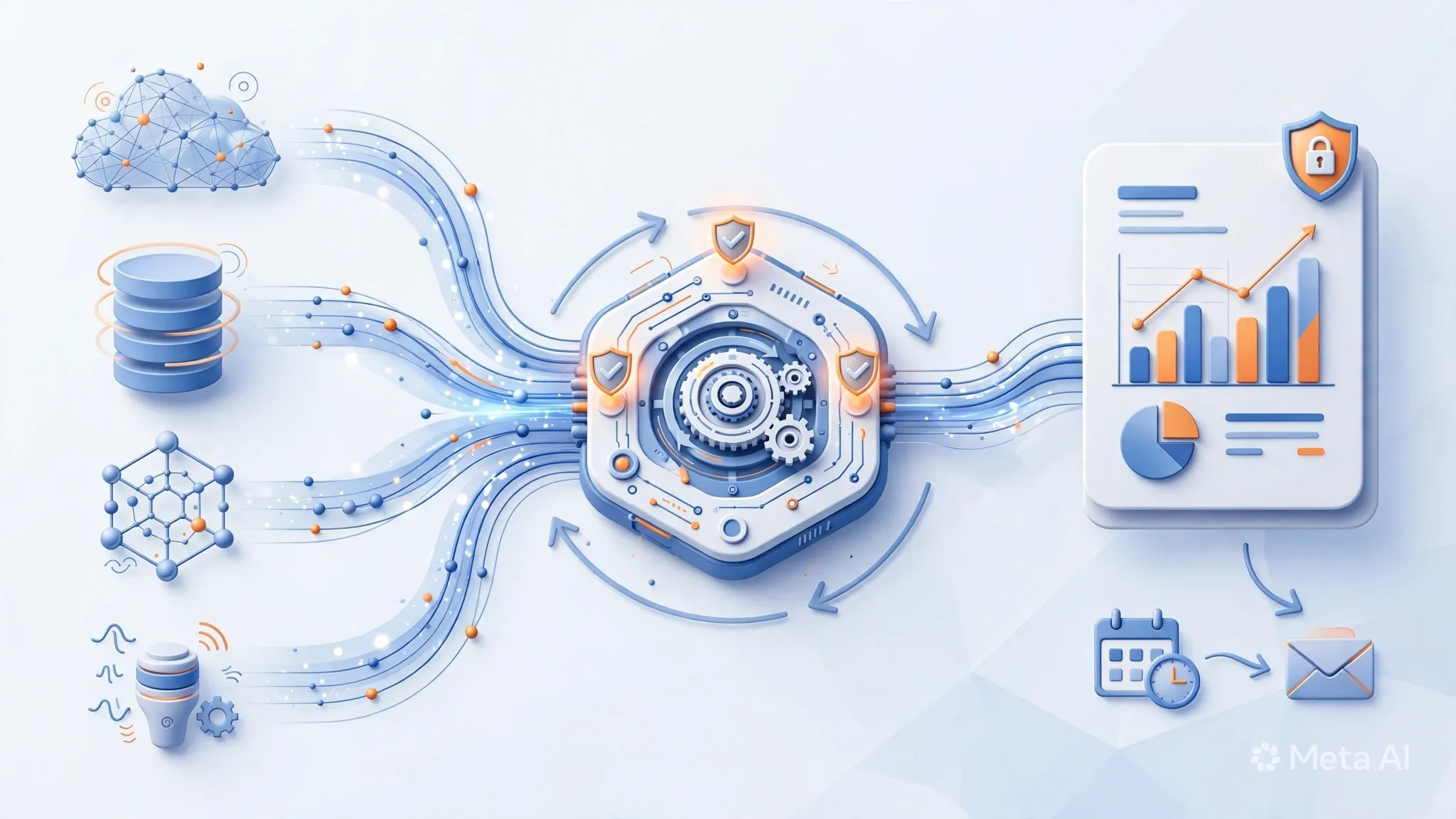
Design a recurring reporting pipeline from source data to validated delivery, reducing spreadsheet copy/paste, formula errors, delays, and key-person dependency.
A VPS is only the visible part of the bill. Build a realistic n8n TCO model covering licensing, PostgreSQL, Redis, backups, observability, APIs and AI, security, engineering, and downtime.
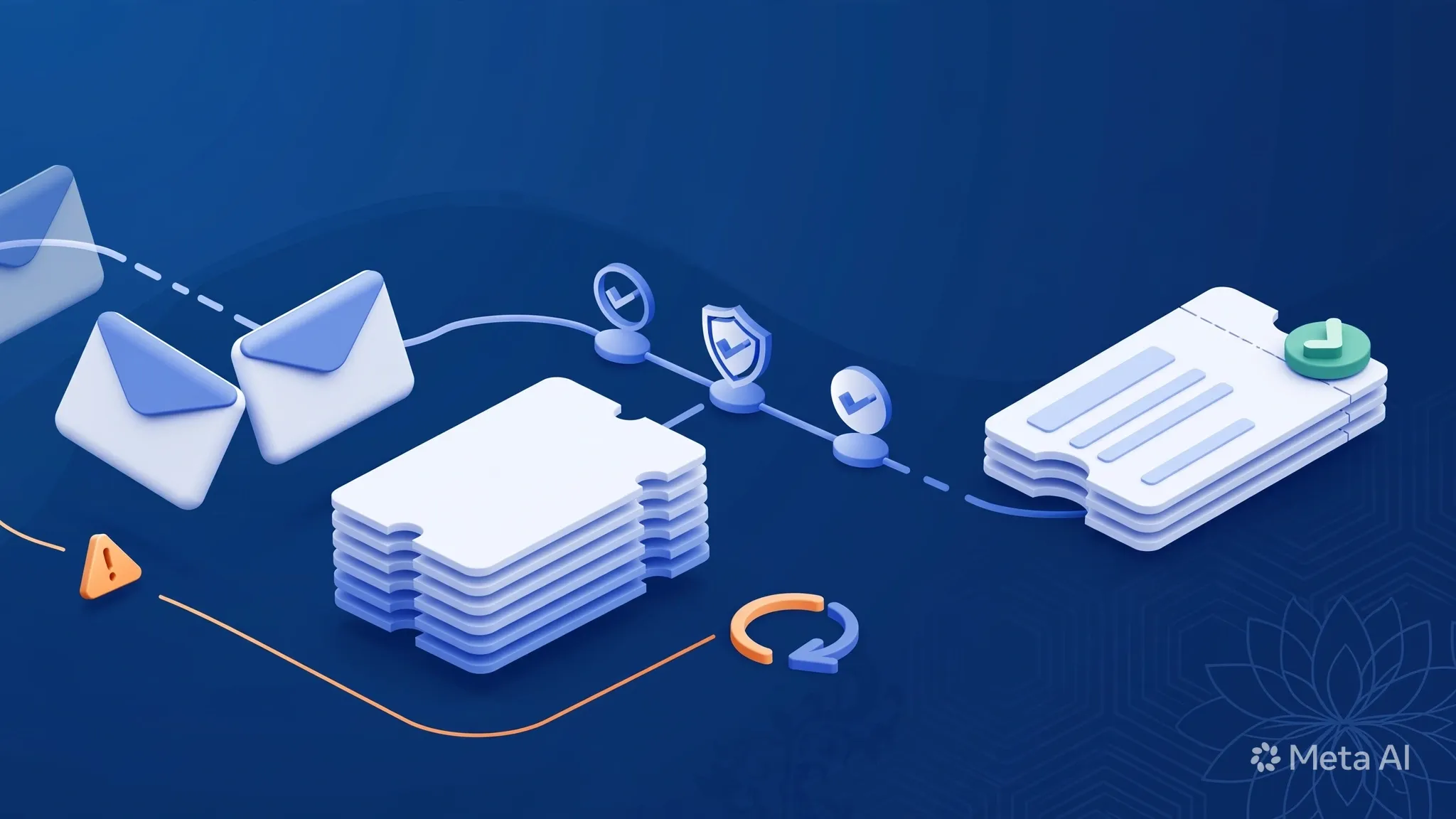
Design a reliable email-to-ticket workflow with idempotency, durable queues, retries, DLQs, SLA monitoring, alerts, and reconciliation.
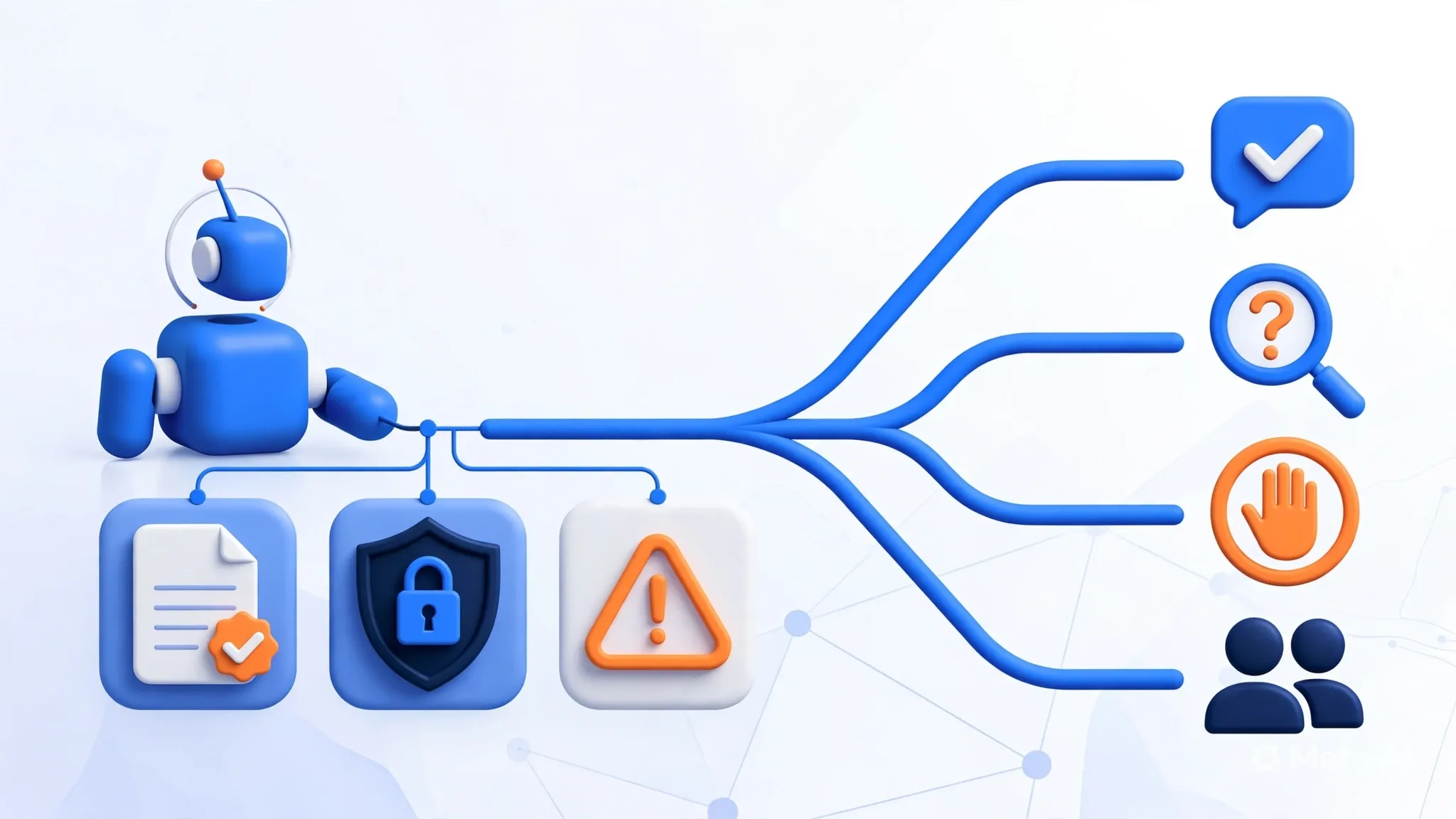
A practical framework for deciding when an enterprise AI assistant or RAG system should answer, clarify, refuse, or escalate.
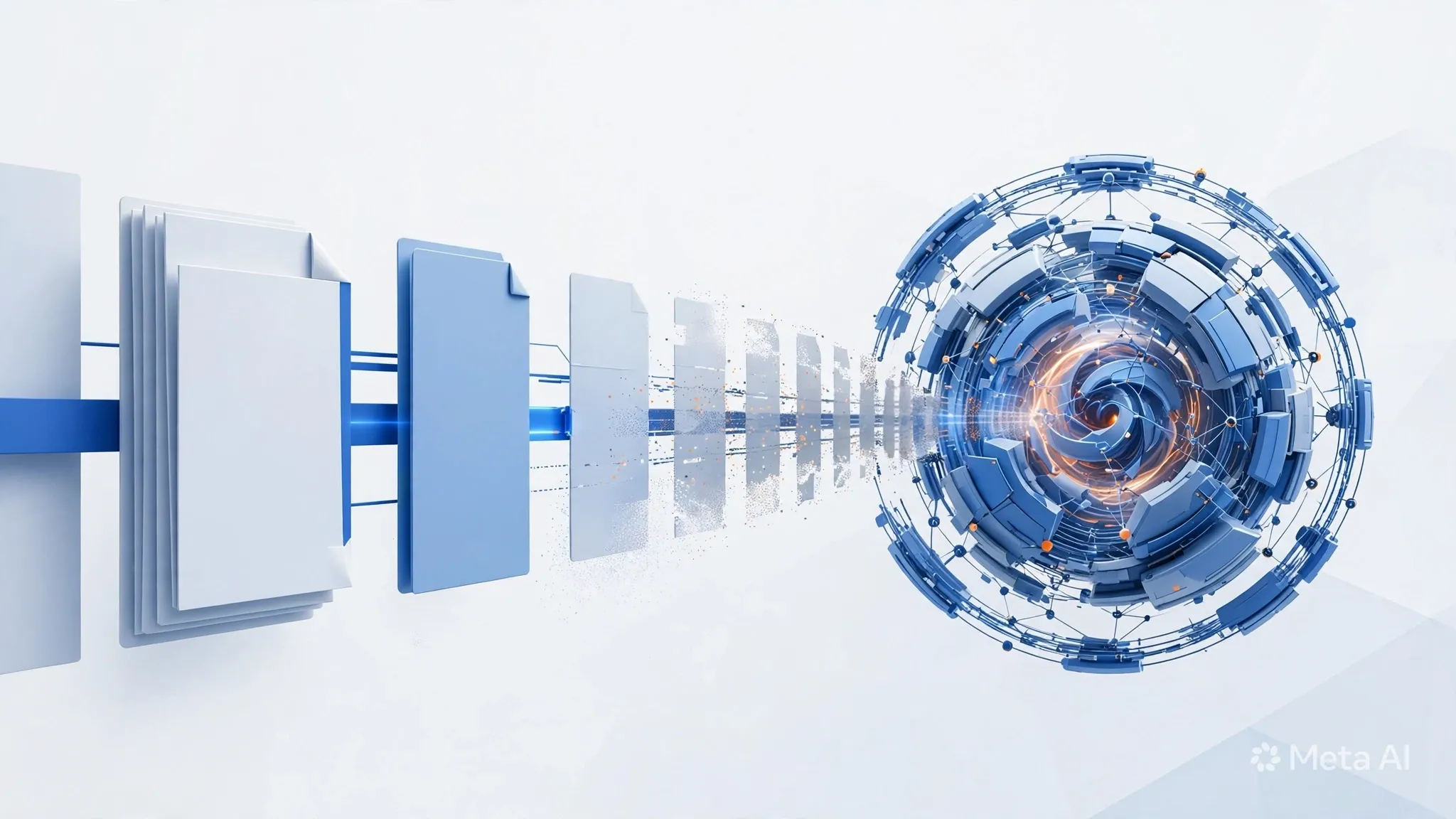
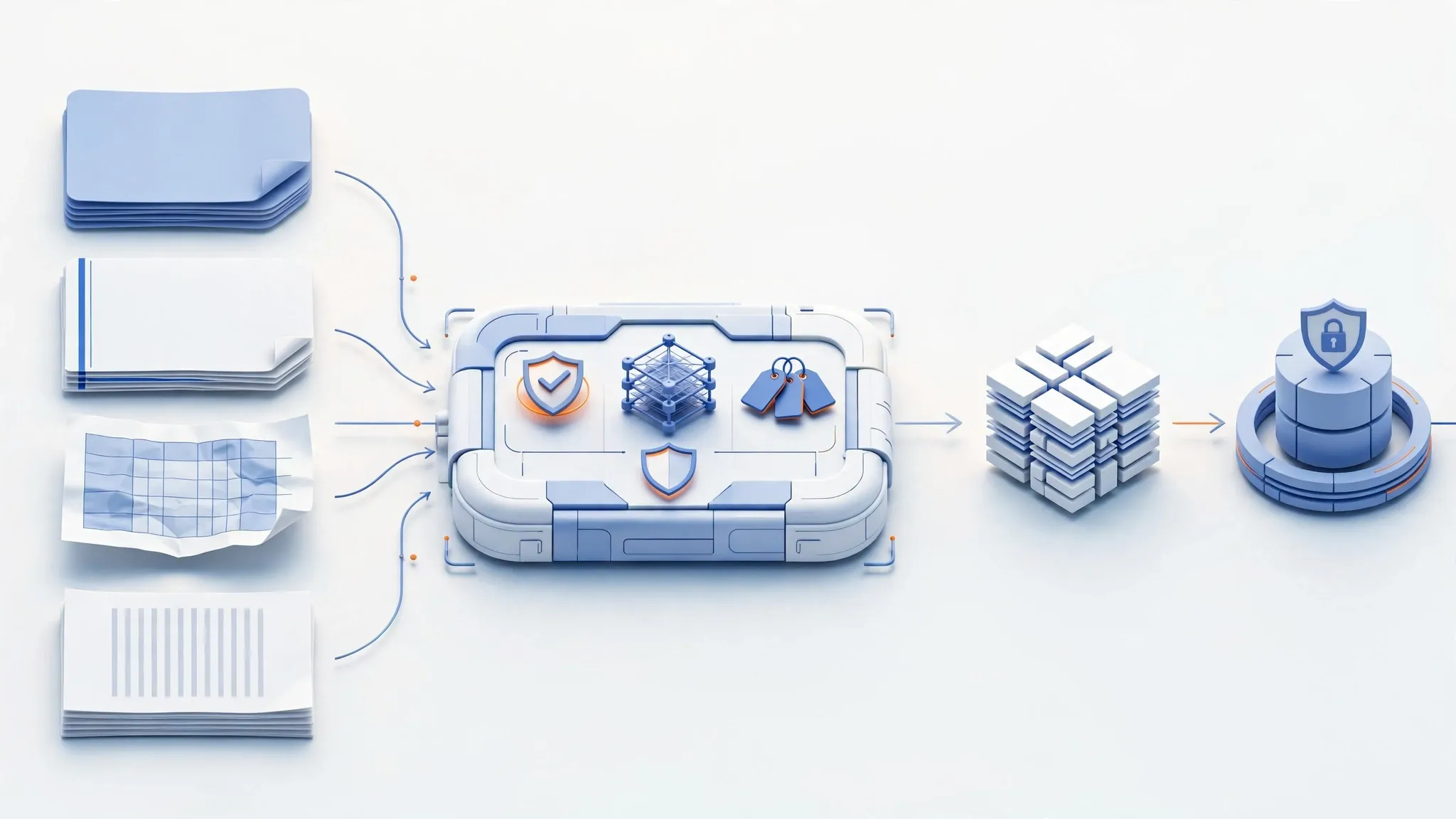
A practical pipeline for turning PDF, DOCX, TXT and Markdown files into a governed, structured and retrieval-ready RAG knowledge base.